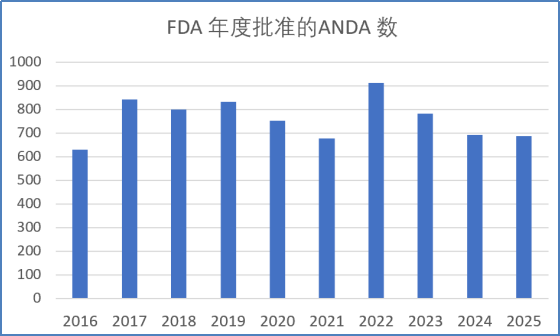
ANDA 审评由团队中多位审评员合作完成。由于审评人员众多且背景各异,企业会收到来自不同审评人员的不同问题。因此,即使企业认真地对之前收到的缺陷进行分类,并在新的申请中加以解决,他们仍然可能会收到不同的问题,尤其是在新审评人员接手他们的申请时。这并非一个新问题,而且在《仿制药法》实施31年后,似乎仍然没有简单的解决办法。
发函给企业前需经主管审核。表面上看,提出的缺陷可能合理(如拟议的CRL、IR或DRL中所述),但主管并非总有时间回溯到 ANDA 原始文件中查看导致缺陷的细节,因此,该信函可能在主管未能充分审查缺陷的情况下就发给企业。有些情况下,缺陷本身就不合理,或者审评人员漏看了申请中已有的相关信息。
Drug Price Competition and Patent Term Restoration Act of 1984 (Hatch-Waxman Act)
Mandatory Reading:
Regulatory Affairs (Reg)
Intellectual Property (IP)
Quality Assurance (QA)
Legal Department
Work Suggestions:
Reg: Ensure the company's drug applications comply with the new drug application procedures and bioequivalence standards.
IP: Monitor patent term extensions and the impact on the company's patent strategy.
QA: Verify that manufacturing processes meet the identity, strength, quality, and purity requirements.
Legal Department: Advise on patent infringement issues and the legal implications of abbreviated new drug applications.
Scope of Application: The Drug Price Competition and Patent Term Restoration Act of 1984 applies to chemical drugs, including new molecular entities and generic drugs, in the United States. It is intended for regulatory bodies, pharmaceutical companies, and legal entities involved in drug development and approval processes.
Key Points Summary:
Abbreviated New Drug Applications (ANDAs): The Act allows for the streamlined approval of generic drugs by submitting abbreviated applications showing bioequivalence to the listed drug, without repeating costly and time-consuming clinical trials.
Patent Term Restoration: Offers a mechanism to extend the effective patent life of a drug to partially compensate for the time lost during the regulatory review process, up to a maximum of five years.
Data Exclusivity: Provides a period of data exclusivity, during which the FDA cannot approve ANDAs for other companies that rely on the innovator's safety and efficacy data.
Patent Certification: Requires ANDA applicants to certify about the listed drug's patents or periods of exclusivity, which can trigger a patent infringement lawsuit.
Regulatory Review Period: Defines the regulatory review period for calculating patent term extensions and sets rules for due diligence during the application process.
Conclusion: The Drug Price Competition and Patent Term Restoration Act of 1984 is a landmark legislation that balances the need for accessible, affordable medications with the incentive for innovation. It has significantly impacted the pharmaceutical industry by fostering competition and ensuring that both innovator and generic drug companies have clear pathways to market. The above points are not exhaustive; for comprehensive understanding, the full text of the Act should be consulted.